Why the species change from west to east
After the last ice age, many fish species colonised the Nordic countries from the east, through connected river systems. Sweden and eastern Norway got pike, perch, pikeperch and the carp family, while the mountains blocked the way further west. Western Norway therefore mostly has species that cope with salt water, such as trout, char, salmon and eel.
In practice, the lake you stand by decides much of what you can catch. A mountain lake in western Norway and a lowland lake in southern Sweden are two different worlds.
Perch, pike and pikeperch in the lowland lakes
In most lakes in Sweden and in the lowlands of eastern Norway, perch and pike are what most anglers are after. In the nutrient-rich lakes of southern and central Sweden you also find pikeperch. All three can be fished almost all year, by spinning in summer and ice fishing in winter.
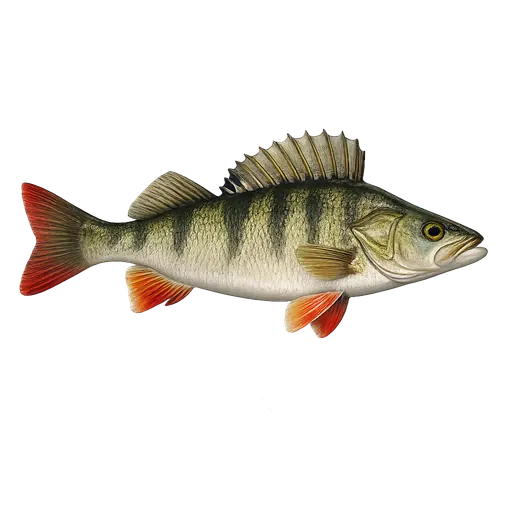 PerchFound in almost every Swedish lake and across the lowlands of Norway. Small spoons, spinners, jigs and ice fishing.
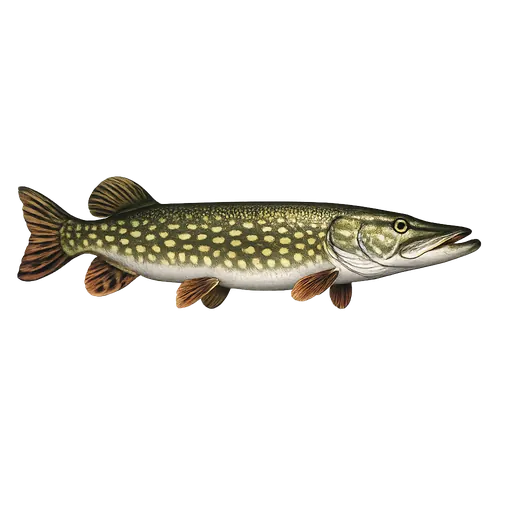 PikeHolds by reeds and weed in shallow bays, in Sweden and in eastern and northern Norway. Large lures, best in spring and autumn.
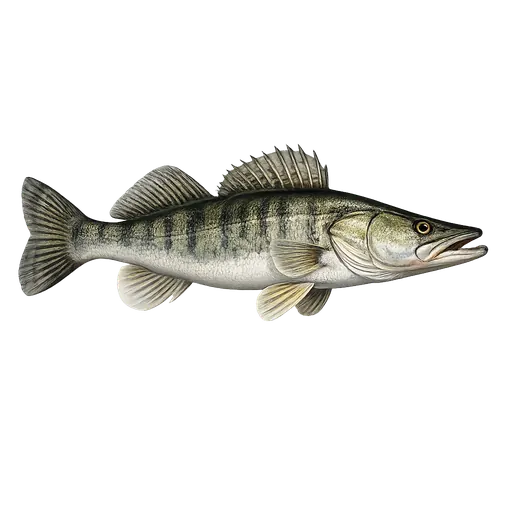 PikeperchCommon in large Swedish lakes such as Mälaren, Hjälmaren and Vänern, rare in Norway. Jigs along the bottom at dusk.
Salmonids in cold, clear water
In the mountains, in the north and in cold, clear lakes, the salmonids take over. They thrive in oxygen-rich water, and many of them bite well both right after the ice breaks up and through the ice in winter. In many lakes in southern Sweden, rainbow trout are also stocked in put and take waters.
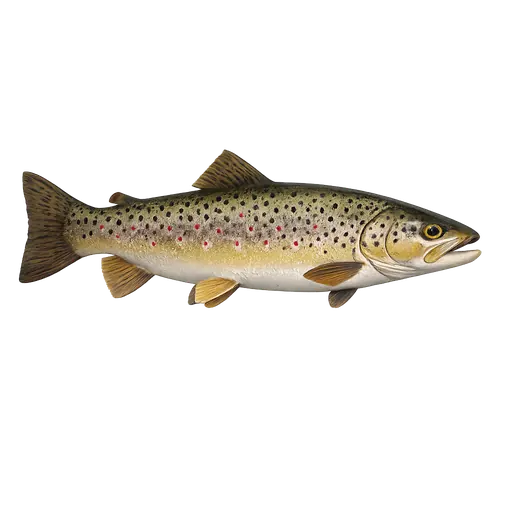 Brown troutFound across both countries, from streams to large lakes. Worm, spoons, spinners and flies.
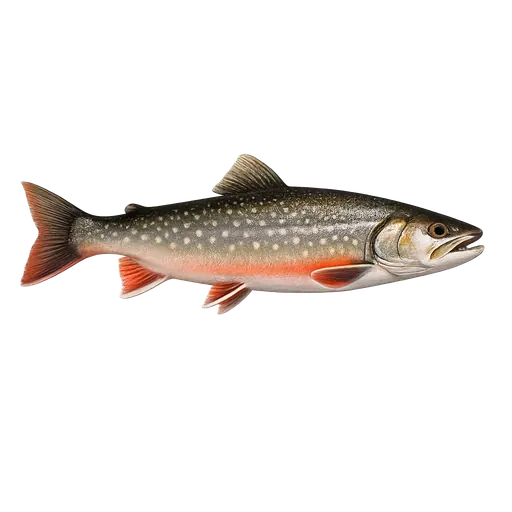 Arctic charCold, deep lakes such as Vättern and the mountain lakes. Bites well through the ice and at ice-out.
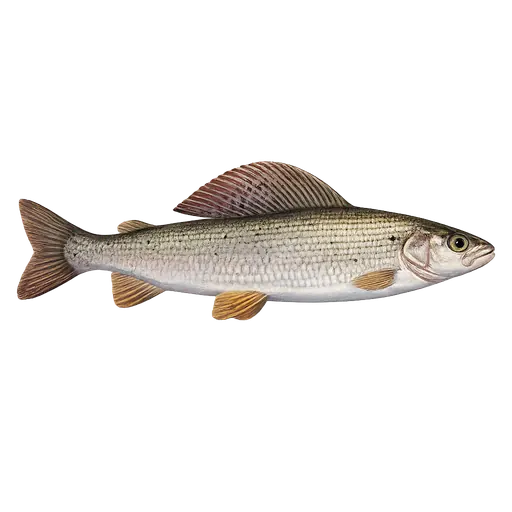 GraylingA river fish with a large dorsal fin, in the mountains and the north of both countries. Light flies in the current.
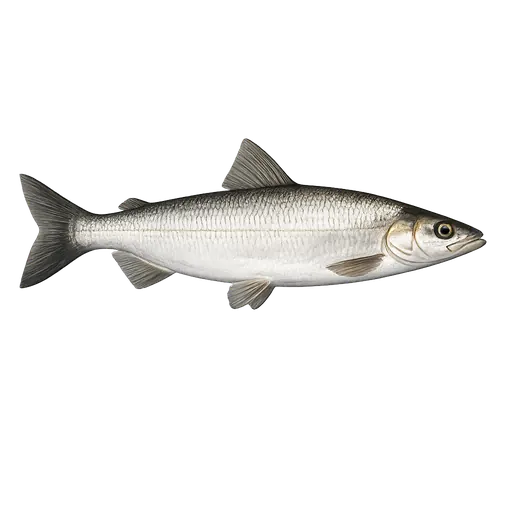 WhitefishA schooling fish of large, cold lakes and northern rivers. Small hooks with worm or flies, often in deeper water.
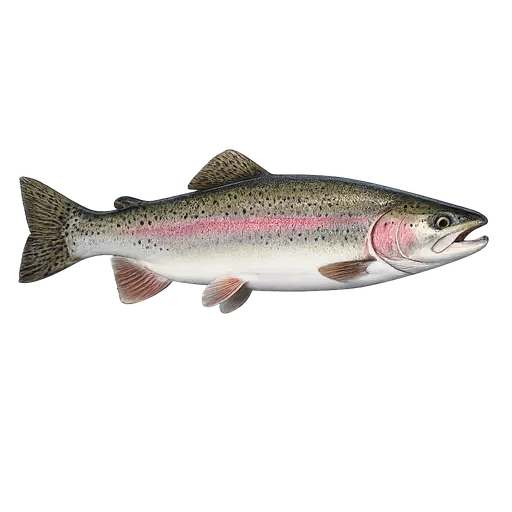 Rainbow troutStocked in put and take waters, and a common first fish for beginners in Sweden.
Coarse fish and float fishing
A float, a small hook and a worm from a jetty will catch roach and bream in most lowland lakes in Sweden and eastern Norway. For larger fish there are tench in warm, weedy lakes, and burbot that bite best in winter.
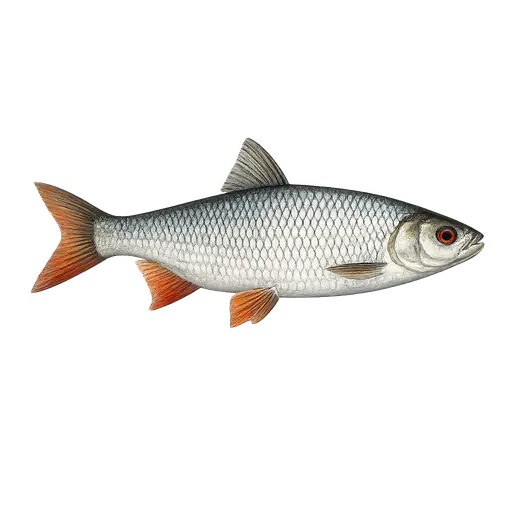 RoachA common small fish in lowland lakes. Float and small hook, and important food for perch and pike.
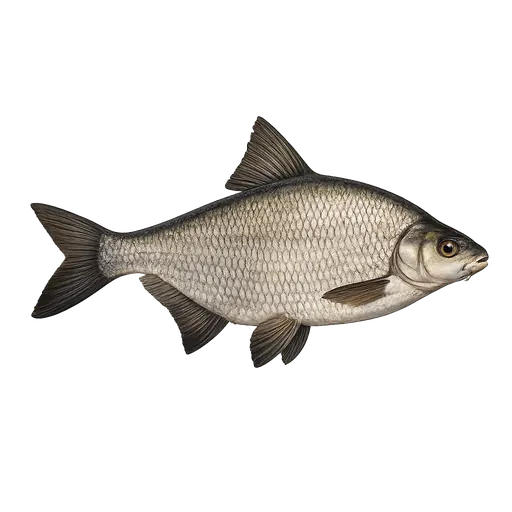 BreamA large member of the carp family in nutrient-rich lakes. Bait on the bottom over groundbait.
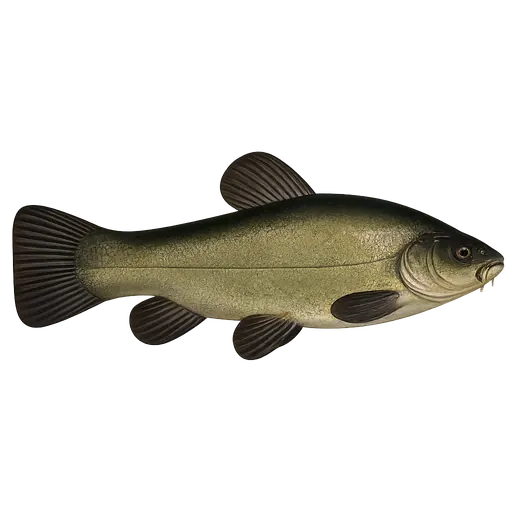 TenchA green, shimmering fish of shallow, warm lakes with plenty of weed. Float fishing early in the morning.
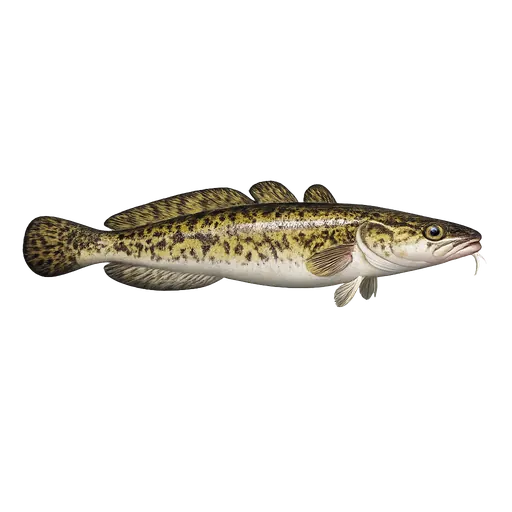 BurbotThe freshwater cod, most active in winter and at night. Bait on the bottom.
Salmon and sea trout in the rivers
Salmon and sea trout spawn in the rivers, grow large at sea and return to spawn. Norway has hundreds of salmon rivers along its whole coast, while in Sweden the best known waters include Mörrumsån in Blekinge, the rivers of the west coast and the large rivers of the north. Fishing for them is more tightly regulated than other freshwater fishing, and the season is set river by river.
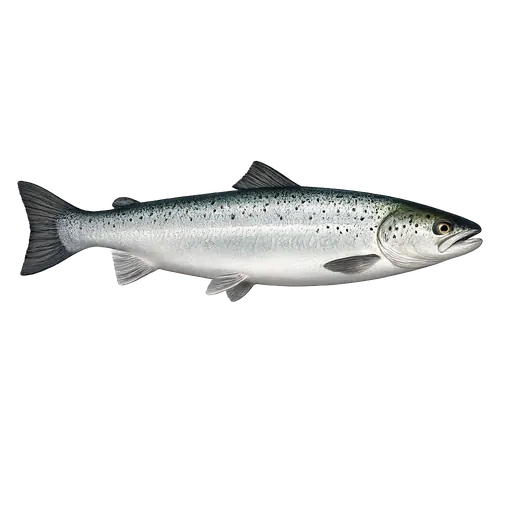 Atlantic salmonRuns up the rivers in summer. A local licence for each beat, and in Norway the national fishing fee as well.
- Sea troutThe same species as brown trout, but grows large at sea. Runs up the rivers in late summer and autumn.
Licences and rules in each country
In Norway, freshwater fishing rights belong to the landowner, so you need a fishing licence for most lakes and rivers. Licences are sold by the local landowners’ association or angling club, often online. If you are 18 or older and fishing for salmon, sea trout or sea char in a river, you must also pay the national fishing fee before you start. Children under 16 can as a rule fish for freshwater species with rod and line for free.
In Sweden you also need a fishing licence for most lakes and rivers, usually sold by the local fishing conservation association and nearly always available online. The exception is the five large lakes Vänern, Vättern, Mälaren, Hjälmaren and Storsjön, where fishing with hand-held tackle is free. Minimum sizes, closed seasons and bans are collected on Svenska fiskeregler.
In both countries, never move live fish between waters, and let your gear dry between river systems. In Norway it is also forbidden to use live baitfish, and gear used in another river system must be dry or disinfected. This is especially important if you bring tackle, waders or a boat from abroad, as it protects Norwegian rivers from the salmon parasite Gyrodactylus salaris.
How to find fish in fresh water
Start where the water changes: inlets and outlets, drop-offs close to shore, points and weedy areas. Inlets bring food and oxygen, and fish often hold there in numbers, especially in spring and autumn.
Morning and evening are the classics, and overcast weather with a little wind often fishes better than bright sun. In summer, trout and char move deeper as the water warms, while perch and pike stay active in the shallows for longer. If you plan to fish the coast as well, see the guide to saltwater fish in Norway and Sweden.
Questions and answers
What is the most common freshwater fish in Norway and Sweden?
In Norway it is the brown trout, which lives in more lakes than any other species. In Sweden it is the perch, found in almost every lake from Skåne to Lapland.
How many freshwater fish species are there in the Nordic countries?
The MinFangst register has 45 freshwater species in Nordic waters, plus 12 species that migrate between river and sea, such as salmon and sea trout. The full list with pictures is in the overview of fish species.
Do I need a fishing licence for lakes and rivers?
Yes, for most of them in both countries. In Norway you buy it from the landowners’ association or angling club, and in Sweden from the local fishing conservation association. In Sweden, fishing with hand-held tackle is free in Vänern, Vättern, Mälaren, Hjälmaren and Storsjön.
Can I use fishing gear I have used in other countries?
Yes, but let it dry completely first. In Norway, gear used in other river systems must be dry or disinfected before use, to protect Norwegian rivers from diseases and parasites such as Gyrodactylus salaris.